
The 2026 Shift: Your Skin is an Ecosystem
We used to think of skin as a flat surface. Now, we know it is a thriving ecosystem of “good” bacteria. When you use harsh soaps or chemical-heavy makeup, you are essentially “deforesting” your skin. This leads to Microbiome Dysbiosis, the root cause of “mystery” redness, adult acne, and premature aging.
The Power of Fermentation
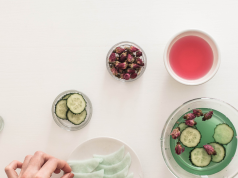
At EpiLynx, we utilize Fermented Minerals and Botanicals.
The Science: Fermentation breaks down ingredients into smaller, “pre-digested” molecules.
The Benefit: This makes them much more potent and easier for sensitive skin to absorb without triggering an immune response. It’s like “super-food” for your face.
The “Pro-Shield” Strategy
For those with Celiac disease or severe allergies, the microbiome is often compromised. By applying Prebiotics (food for your good bacteria) and Postbiotics (the beneficial enzymes those bacteria produce), you create a biological “barrier” that blocks allergens from penetrating the dermis.
FAQ: The Skin Microbiome & Sensitivity
Q: What is the skin microbiome? A: The skin microbiome is a collection of trillions of microbes (bacteria, fungi, and viruses) that live on your skin’s surface. They act as your first line of defense against infection, UV damage, and environmental pollutants.
Q: Can “good bacteria” really stop aging? A: Yes. A healthy microbiome produces fatty acids and antioxidants that naturally neutralize “free radicals.” When your microbiome is balanced, your skin stays hydrated and elastic for much longer.
Q: Are fermented ingredients safe for Celiac disease? A: Yes, provided they are sourced correctly. At EpiLynx, we ensure our fermentation processes use non-gluten substrates, making our “biotech” ingredients safe for even the most sensitive users.
Q: How do I know if my microbiome is damaged? A: Signs of a “dying” microbiome include chronic dryness, sudden sensitivity to products you’ve used for years, and frequent “flares” of redness or small, itchy bumps.
Q: Should I stop using antibacterial cleansers? A: Unless directed by a doctor for a specific infection, yes. Harsh antibacterial soaps kill the “good guys” along with the “bad guys,” leaving your skin vulnerable and stripped. Switch to a pH-balanced, soap-free cleanser.