The Paradox: Why “Glowing” Skincare Usually Hurts Sensitive Skin
For those with Rosacea or Eczema, the word “Glow” is often terrifying. In the traditional beauty world, a glow is achieved through aggressive exfoliation (AHAs), high-strength Vitamin C, or physical scrubs. For a compromised skin barrier, these are “firestarters” that lead to weeks of redness, stinging, and peeling.
At EpiLynx, we approach the glow through Corneotherapy—the science of repairing the stratum corneum (the outermost layer of skin). When your skin is healthy and the barrier is sealed, it reflects light naturally. You don’t need to “strip” your skin to make it shine; you need to saturate it.
1. Understanding the Flare: Redness is the Enemy of Radiance
Rosacea and Eczema are characterized by chronic inflammation and vascular hyper-reactivity.
The Rosacea Glow: Often, what people think is a “healthy flush” is actually erythema (persistent redness) or broken capillaries.
The Eczema Dullness: Eczema creates “micro-fissures” in the skin. Light hits these rough patches and scatters, making the skin look gray, muddy, and tired.
The Pharmacist’s Rule: You cannot have a glow until you put out the fire. Our first priority is to “calm the cytokine storm” using pharmacist-vetted anti-inflammatories like Bisabolol and Centella Asiatica.
2. The PHA Revolution: Exfoliation Without the “Ouch”
If you have Rosacea, you have likely been told to avoid acids. That was true for 20th-century skincare. In 2026, we use PHAs (Polyhydroxy Acids) like Gluconolactone.
Why it’s different: PHAs have a massive molecular weight. They stay on the surface of the skin, gently dissolving dead cells without penetrating deep enough to hit the nerves that trigger a Rosacea flare.
The Bonus: PHAs are “humectants,” meaning they actually pull water into the skin while they exfoliate. It is the only “glow” acid safe for the most sensitive skin.
3. Quenching “Thirsty” Skin: The Squalane and Ceramide Seal
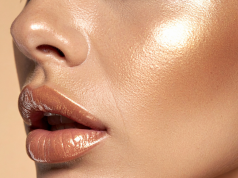
The “Glass Skin” look is simply a skin barrier that is 100% saturated with moisture. For Eczema sufferers, the skin is “leaky.”
The EpiLynx “Lock-and-Key” Method:
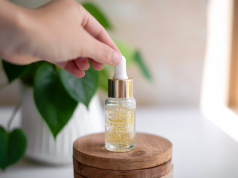
The Humectant (The Water): Use Multi-weight Hyaluronic Acid to pull water into the deeper layers.
The Lipid (The Oil): Use Squalane. It is bio-identical to your skin’s natural oils. It doesn’t clog pores, but it creates a silky, reflective “film” that mimics a filter.
The Ceramide (The Seal): Apply a pharmacist-formulated cream to act as a “liquid bandage,” preventing that water from evaporating.
4. Avoiding the “Hidden Triggers” in “Sensitive” Brands
Many brands labeled “for sensitive skin” still contain Phenoxyethanol or Ethanol, which are massive triggers for Rosacea “burning.”
What EpiLynx Leaves Out:
No Drying Alcohols: These strip the natural oils and cause instant redness.
No Synthetic Fragrances: Fragrance is a volatile organic compound that triggers the “heat” sensation in Rosacea.
No Gluten or Nut Derivatives: To ensure that systemic inflammation isn’t being triggered topically.
5. FAQ: Solving the Rosacea and Eczema Glow Puzzle
Q: Can I use Vitamin C if I have Rosacea? A: Standard L-Ascorbic Acid is usually too acidic (pH of 2.5–3.0) for Rosacea. However, EpiLynx uses Sodium Ascorbyl Phosphate, a stabilized Vitamin C that is pH-neutral. It brightens the skin without the “acid sting.”
Q: Is “Glass Skin” possible if I have textured Eczema patches? A: Yes, but it requires a “Barrier-First” approach. You must heal the patches with a lipid-rich cream for 7 days before attempting any light exfoliation with PHAs. Once the “fissures” are healed, the skin will naturally start to reflect light.
Q: Why does my face feel “hot” after I apply moisturizer? A: This is often a sign of Neurogenic Inflammation. Your skin’s nerves are reacting to an ingredient (often a preservative or fragrance). Switch to a pharmacist-formulated, allergen-aware moisturizer to calm the nerve endings.
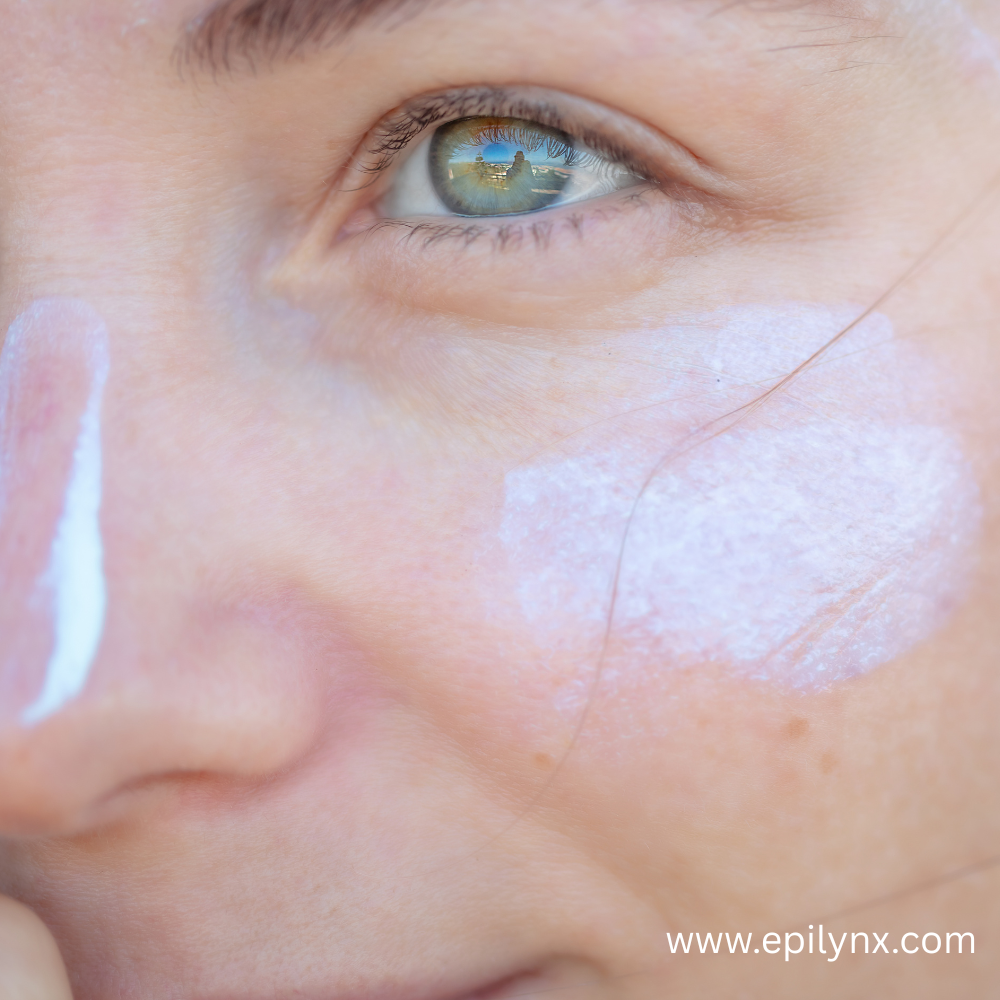
Q: Does sunblock kill the glow? A: Traditional thick, white zinc sunscreens can look chalky. However, sun protection is mandatory for Rosacea (UV is the #1 trigger). We recommend using mineral-based, micronized Zinc that is infused with hydrating esters to maintain a dewy finish.
Q: Is it safe to use face oils on Rosacea? A: Only if they are non-comedogenic and high in linoleic acid. Squalane is our top recommendation because it is incredibly stable and won’t feed Demodex mites, which are often associated with Rosacea flares.