The Viral Phenomenon: Do You Have “Gluten-Face”?
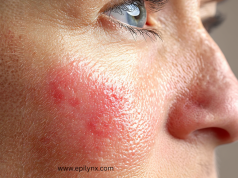
The term “Gluten-Face” has taken over social media. It describes the specific way skin reacts to systemic and topical gluten exposure: localized puffiness, “mystery” redness on the cheeks, and dark, inflammatory spots along the chin.
Even if you don’t have a diagnosed Celiac condition, many people suffer from Non-Celiac Gluten Sensitivity (NCGS). In 2026, we’ve learned that the skin is often the first place your body shows this sensitivity—long before you feel it in your gut.
Why Your “Clean” Skincare Might Be the Problem
You might be eating “Gluten-Free,” but if your skincare contains wheat-derived Vitamin E (Tocopherol) or barley-based fillers, you are applying the trigger directly to your inflammatory cells.
The “Leak” Effect: When you apply gluten topically to sensitive skin, it triggers a “micro-flare.”
The Result: Your collagen breaks down faster, your pores look larger, and your “glow” disappears.
How to “Detox” from Gluten-Face
To reverse the signs of “Gluten-Face,” you need more than just a diet change; you need a Topical Reset.
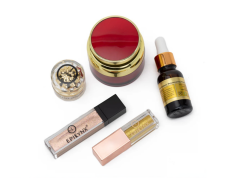
Stop the Cycle: Switch to EpiLynx—where every batch is pharmacist-vetted and certified 100% Gluten-Free.
De-Puff with Peptides: Use our neuro-peptides to “calm” the inflammatory signals being sent to your skin cells.
Repair the Barrier: Use Ceramides to seal the “leaks” in your skin so environmental allergens can no longer penetrate.
FAQ: Decoding Gluten-Face and Skin Health
Q: Can gluten really affect my skin if I don’t have Celiac disease? A: Yes. Gluten sensitivity can manifest as “Non-Celiac Sensitivity,” which often causes low-grade, chronic skin inflammation that ages the skin prematurely and causes persistent dullness.
Q: What are the main signs of “Gluten-Face”? A: The most common signs are puffiness (edema) around the eyes and jawline, redness on the cheeks that looks like a mild flush, and “angry” inflammatory breakouts that don’t respond to traditional acne treatments.
Q: How long does it take for “Gluten-Face” to clear up? A: Once you remove all systemic and topical gluten (including cross-contamination in your makeup), most people see a significant reduction in puffiness and redness within 14 days.
Q: Is it okay to use “natural” products that contain wheat germ oil? A: Not if you want to avoid Gluten-Face. Wheat germ oil is highly inflammatory for sensitive individuals. Always look for pharmacist-formulated brands that use Squalane or Jojoba as safer, non-toxic alternatives.
Q: Can “Gluten-Face” cause dark circles? A: Indirectly, yes. Gluten-induced inflammation often affects the sinuses and leads to “Allergic Shiners”—dark, puffy circles under the eyes caused by restricted blood flow and congestion.
Q: Does Dr. Liia recommend a specific “Detox” routine? A: Yes. Start with our Gentle Cleansing Milk and Vitamin C Serum. This combination flushes out toxins while providing the antioxidants needed to repair the collagen damage caused by past “Gluten-Face” flares.