Intro: Natural ≠ Gentle (Sorry, Internet)
The beauty industry loves to tell us:
“If it’s natural, it must be good for your skin.”
Dermatologists quietly sigh every time they hear this.
Because many of the ingredients that cause the most skin reactions are — you guessed it — completely natural.
Let’s expose the usual suspects.
The Truth About Plants
Plants evolved to:
protect themselves
repel insects
survive harsh environments
Which means they’re full of:
volatile compounds
irritants
allergens
immune stimulators
Great for plants.
Not always great for skin.
1. Essential Oils (The Biggest Offenders)
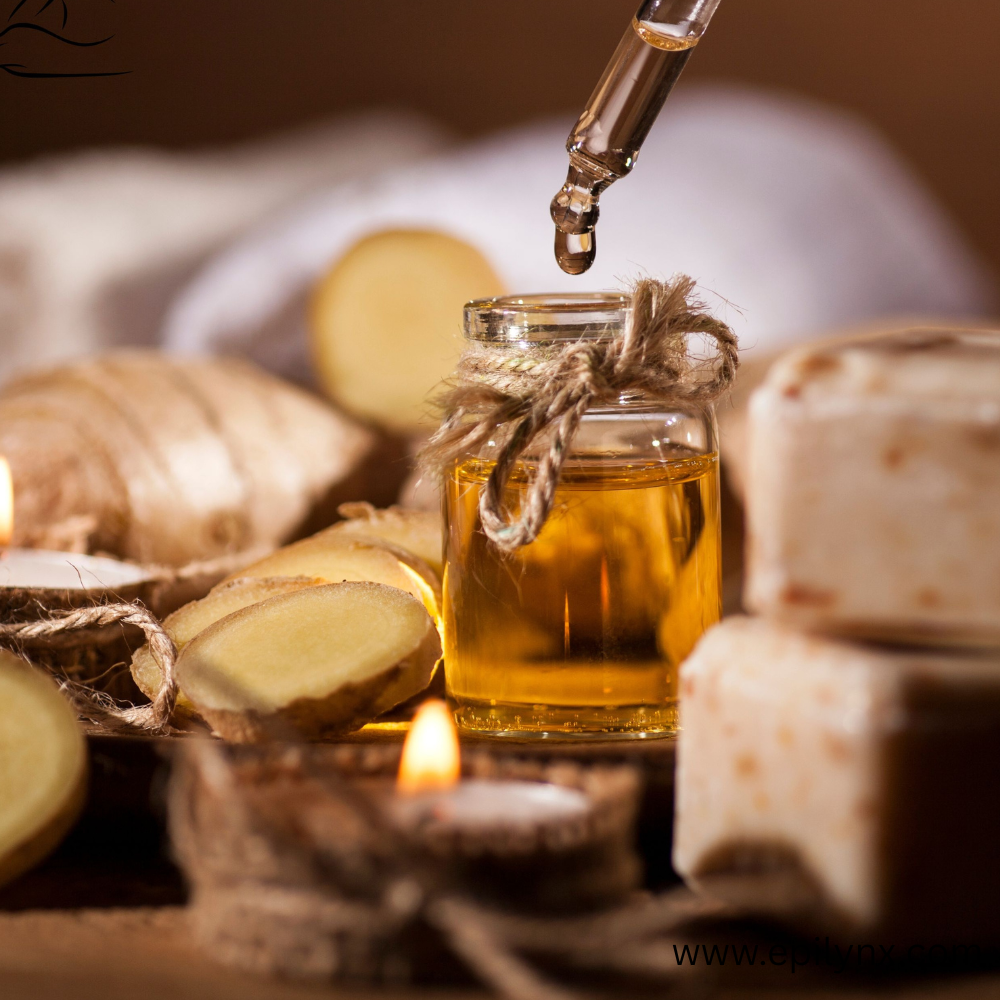
Often marketed as calming or healing, essential oils are among the top causes of cosmetic contact dermatitis.
Common culprits:
lavender
tea tree
citrus oils
peppermint
eucalyptus
They stimulate nerve endings and immune responses — especially on sensitive skin.
2. Citrus Extracts
Brightening? Yes.
Irritating? Also yes.
Citrus oils are phototoxic and destabilize the skin barrier.
3. Nut Oils (Even the Fancy Ones)
Shea. Almond. Argan. Macadamia.
Nut oils contain proteins that can:
trigger allergies
worsen eczema
activate immune responses on broken skin
Natural doesn’t mean predictable.
4. Witch Hazel
Astringent.
Drying.
Barrier-disrupting.
Great for oil control — terrible for sensitive or compromised skin.
5. Raw Honey & Bee Products
Healing for some.
Highly allergenic for others.
Especially problematic for people with pollen allergies.
Why Dermatologists Prefer “Boring” Ingredients
Because boring ingredients:
don’t activate the immune system
don’t irritate nerves
don’t cause delayed reactions
Calm skin beats trendy skin every time.
Final Thought
If your skin stings, burns, or flakes — it’s not “detoxing.”
It’s reacting.
Nature is powerful.
And power requires caution.
🌿 EpiLynx Note
EpiLynx products avoid common botanical allergens and are gluten-free, nut-free, allergen-safe, vegan, and designed for sensitive skin.