
Intro: Gluten Isn’t Just a Food Conversation Anymore
If you’ve ever said:
“Gluten in skincare doesn’t matter,”
you’re not wrong… but you’re not always right either.
Like most things in science, the answer is nuanced — and wildly misunderstood.
Let’s clear the confusion once and for all.
First: The Big Myth
👉 Gluten does NOT penetrate healthy, intact skin.
So if:
you don’t have celiac disease
you don’t have gluten sensitivity
your skin barrier is healthy
Gluten in a face cream is unlikely to cause systemic issues.
But here’s where things change.
When Gluten-Free Skincare DOES Matter
🧠 1. Lips = Ingestion Zone
Lipsticks, balms, glosses, and lip masks are swallowed.
Over a lifetime, people ingest several pounds of lip products.
If you have:
celiac disease
gluten sensitivity
autoimmune conditions
Then gluten in lip products matters — a lot.
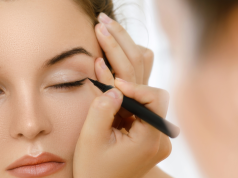
👁️ 2. Eyes Are Mucosal Tissue
Eye makeup migrates.
Tears spread ingredients.
Hands transfer residue.
Gluten near mucosal tissue can enter the body more easily.
🤕 3. Broken Skin Changes the Rules
Eczema
psoriasis
open irritation
cracked skin
When the barrier is compromised, ingredients behave differently.
👶 4. Babies & Children
Infant skin absorbs faster.
Their immune systems are still learning.
This is why allergen-safe, gluten-free skincare matters more for young skin.
Why Gluten Is Often Hidden in Beauty Products
Gluten can appear as:
wheat-derived vitamin E
hydrolyzed wheat protein
barley extract
oat derivatives (unless certified gluten-free)
Many consumers never realize it’s there.
Final Thought
Gluten-free skincare isn’t hype —
but it’s also not one-size-fits-all.
For lips, eyes, broken skin, autoimmune conditions, and sensitivities?
It absolutely matters.
Science beats slogans every time.
🌿 EpiLynx Note
EpiLynx products are gluten-free, nut-free, allergen-safe, vegan, and designed with real medical understanding — not fear-based marketing.