
Sunny days feel wonderful. Warm sunlight, fresh air, and time outdoors can lift your mood instantly. But while the sun feels comforting, its rays can quietly damage your skin if you are not careful.
Many people only think about sunscreen when they go to the beach. In reality, UV rays affect your skin every single day. Even a short walk outside can slowly cause skin damage if protection is not used.
Learning a few simple sun protection tips can help you enjoy the sun while keeping your skin healthy and glowing.
Why Sun Protection Matters for Healthy Skin
Your skin is your body’s first shield. It protects you from pollution, bacteria, and environmental stress. But sunlight can weaken this shield over time.
UV rays from the sun can cause:
Premature wrinkles
Uneven skin tone
Dry and rough skin
Sunburn
Long-term skin damage
This is why dermatologists always recommend daily sun protection as part of a healthy skincare routine.
Using gentle skincare products and applying sunscreen regularly can make a big difference in protecting your skin.
If you want to explore gentle sun care options designed for everyday use, you can look through the sun protection skincare collection that focuses on protecting skin while keeping it calm and hydrated.
The Damaging Effects of the Sun
Sunlight contains ultraviolet radiation, also known as UV rays. These rays affect the skin in different ways.
There are two main types of UV rays that damage the skin.
UVA Rays
UVA rays penetrate deep into the skin. They create oxidative stress by producing unstable molecules called free radicals.
These molecules break down collagen and elastin, which leads to early aging of the skin.
Common effects of UVA exposure include:
Fine lines
Wrinkles
Loss of skin elasticity
Uneven pigmentation
UVB Rays
UVB rays affect the outer layer of the skin and are mainly responsible for sunburn.
Signs of UVB damage include:
Skin redness
Burning sensation
Peeling skin
Repeated exposure without proper sunburn prevention can increase the risk of serious skin damage and conditions like melanoma.
A Small Reminder From a Sunny Afternoon
One afternoon during spring, someone decided to spend time outside enjoying the warm weather. The sky was bright and the sun felt gentle.
Hours passed quickly while walking around and relaxing outdoors.
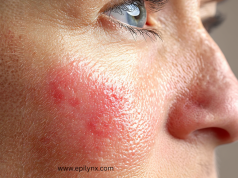
Later that evening, the skin began to feel warm and tight. By night, redness appeared across the face and shoulders.
It was a mild sunburn, but it was enough to show how strong the sun can be.
From that day forward, sunscreen became part of the daily routine. Protective clothing was worn during outdoor walks, and gentle skincare helped repair the skin barrier.
Within a few weeks, the skin looked calm, healthy, and smooth again.
Small habits can make a big difference.
How to Protect Skin from Sun Damage Every Day
Protecting your skin does not need a complicated routine. Simple daily steps can keep your skin safe from UV damage.
Some of the most effective ways include:
Applying sunscreen every morning
Reapplying SPF every few hours when outdoors
Staying in shade during peak sunlight hours
Wearing protective clothing like hats and sunglasses
Keeping your skin hydrated
Following these habits regularly helps prevent long-term sun damage.
Best Sun Protection Tips Dermatologists Recommend
Dermatologists often suggest combining several protective habits together.
Here are some helpful sun protection tips that experts commonly recommend:
Use sunscreen every day, even when it is cloudy
Wear protective clothing when spending long hours outside
Avoid direct sunlight during midday hours
Use moisturizers that support the skin barrier
Drink enough water to keep skin hydrated
Combining these steps with gentle skincare products can help protect your skin all year long.
Choosing the Right Sunscreen for Your Skin
Not all sunscreens are the same. Understanding the difference between sunscreen types can help you choose the right one.
There are two main categories.
Chemical Sunscreen
Chemical sunscreens absorb UV radiation before it harms the skin. They often contain ingredients such as:
Oxybenzone
Avobenzone
Octinoxate
Octocrylene
These ingredients are common in many skincare products. However, some people with delicate skin may experience irritation from them.
Mineral Sunscreen
Mineral sunscreens work differently. Instead of absorbing UV rays, they reflect sunlight away from the skin.
Common ingredients include:
Zinc oxide
Titanium dioxide
These formulas are often recommended for sun protection for sensitive skin because they are gentler on the skin.
Sun Protection for Sensitive Skin
Sensitive skin can react quickly to harsh skincare products. Redness, itching, or irritation can make sun care difficult.
This is why gentle formulas are important.
A lightweight product like the tinted moisturizer with SPF that helps cover redness and smooth fine lines can provide hydration and daily sun protection at the same time.
Using multi-purpose skincare products can simplify your routine while keeping your skin protected.
Common Sun Protection Mistakes
Even people who use sunscreen sometimes make small mistakes that reduce its effectiveness.
Some common mistakes include:
Applying too little sunscreen
Forgetting to reapply during long outdoor activities
Skipping sunscreen on cloudy days
Ignoring areas like ears, neck, and hands
Hands are especially easy to forget. They are often exposed to sunlight throughout the day while driving or walking outside.
Using a nourishing product like a moisturizing hand cream with SPF for daily sun protection can help keep hands soft while protecting them from UV exposure.
Sunburn Prevention Tips Everyone Should Know
Preventing sunburn is much easier than treating it.
Some helpful sunburn prevention tips include:
Apply sunscreen at least 15 minutes before going outside
Reapply sunscreen every two hours
Wear protective clothing when possible
Stay hydrated to support healthy skin
Seek shade during peak sunlight hours
Following these habits can help protect your skin from painful sunburn.
Choosing the Highest Sun Protection Factor
SPF stands for Sun Protection Factor. It measures how well sunscreen protects the skin from UVB rays.
Higher SPF numbers provide stronger protection against sunburn.
However, even products with the highest sun protection factor need to be reapplied regularly during outdoor activities.
Sweating, swimming, and normal movement can reduce sunscreen effectiveness over time.
Common Questions About Sun Protection
Many people search online for answers about sun care. Here are some common questions.
Can you get sunburn on cloudy days?
Yes. UV rays can pass through clouds and still damage the skin.
How often should sunscreen be applied?
Most experts recommend reapplying sunscreen every two hours when outdoors.
Is sunscreen needed during winter?
Yes. Snow reflects sunlight, which increases UV exposure.
What is the best sun protection for sensitive skin?
Mineral sunscreen products with zinc oxide or titanium dioxide are often the best option.
Healthy Skin Starts With Daily Protection
Protecting your skin does not require complicated routines. Small daily habits can keep your skin healthy for years.
By following simple sun protection tips, practicing sunburn prevention, and choosing gentle skincare products, you can reduce UV damage and keep your skin looking fresh and radiant.
If you want to explore more skincare products designed to support healthy skin and daily sun care, you can visit the EpiLynx to learn more about gentle, skin-friendly solutions.
Consistent sun protection is one of the best investments you can make for your skin.