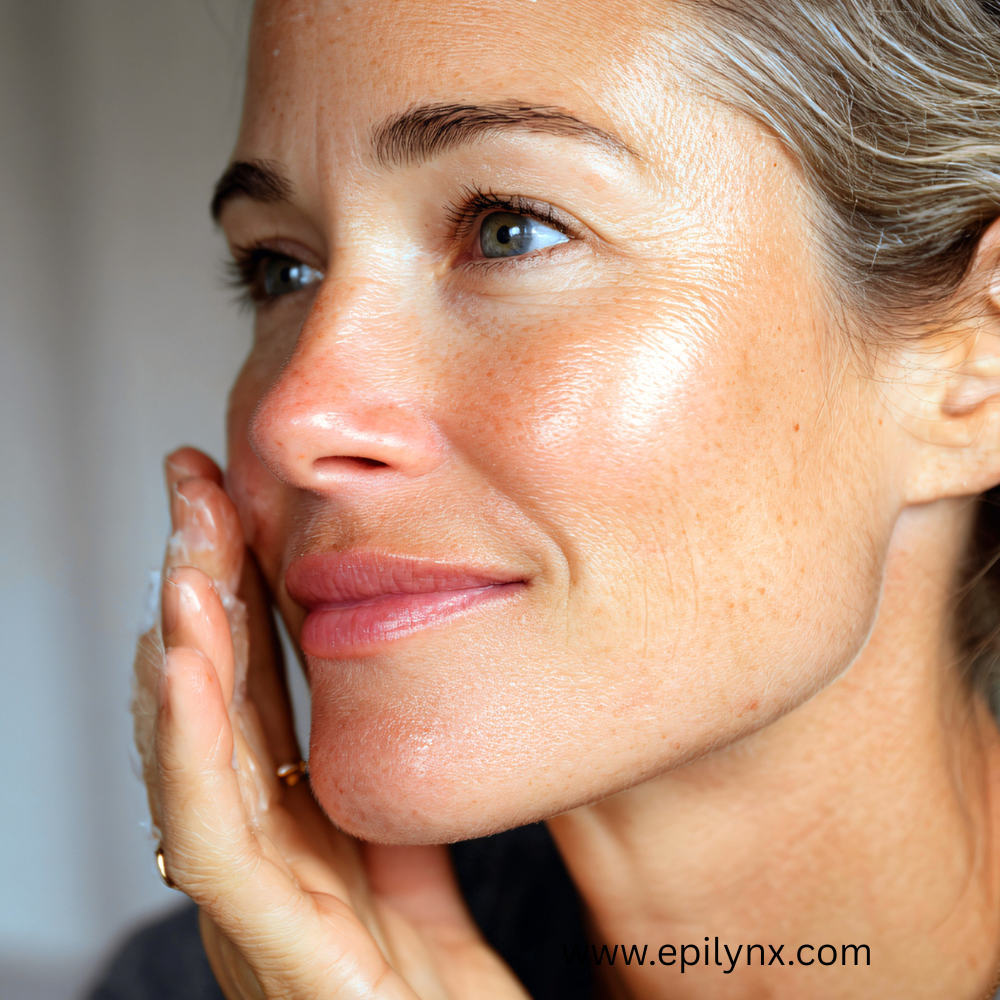
What is “Skin Flooding”?
If you’ve been on TikTok or Instagram lately, you’ve seen the term Skin Flooding. It’s a technique where you layer multiple hydrating products on damp skin to “trap” moisture deep within the dermal layers.
However, for those with Celiac disease or reactive skin, “flooding” can be dangerous if you’re using products with hidden allergens or synthetic fragrances. You aren’t just flooding your skin with water; you might be flooding it with triggers.
The 4-Step “Sensitive Flood” Protocol
At EpiLynx, we’ve optimized this trend to be Allergen-Aware and Pharmacist-Vetted:
The Damp Start: Never apply serum to dry skin. Use a gluten-free, alcohol-free mist to dampen the face. This creates the “water slide” for your actives to travel down.
The Humectant Flood: Apply a high-concentration Multi-Weight Hyaluronic Acid. The different molecular sizes ensure that moisture reaches both the surface and the deep tissue.
The Vitamin Seal: Layer on a stabilized Niacinamide (B3) serum. This “Neuro-Calming” ingredient tells your skin’s nervous system to relax, reducing the redness that often comes with seasonal changes.
The Lipid Lock: This is the most important step. “Flood” your skin, then lock the gate. Use a Ceramide and Squalane-rich cream to ensure the water you just added doesn’t evaporate (TEWL).
Why “Neurocosmetics” is the Secret Sauce
Skin flooding works because it taps into Neurocosmetics—skincare that affects the mood and the skin’s nerve endings. When your skin is “flooded” and calm, your brain produces fewer stress signals, which stops the cycle of stress-induced breakouts.
FAQ: Skin Flooding and Viral Glow Tips
Q: Is Skin Flooding safe for oily, acne-prone skin? A: Yes! In fact, oily skin is often just dehydrated skin over-producing oil to compensate. By “flooding” with water-based humectants and light lipids like Squalane, you can actually signal your skin to stop producing excess oil.
Q: Can I use tap water for Skin Flooding? A: If you have sensitive skin, be careful. Hard water contains minerals like calcium and magnesium that can disrupt your pH. It is better to use a pH-balanced botanical mist or distilled water.
Q: Does Skin Flooding work for Dermatitis Herpetiformis (Skin Celiac)? A: It can help soothe the dryness associated with it, but you must ensure every single layer is Certified Gluten-Free. Skin flooding increases the penetration of ingredients, so if there is hidden gluten in your serum, your reaction could be more severe.
Q: How often should I “Flood” my skin? A: For most, once a day (at night) is enough to reset the barrier. If you live in a very dry climate or work in an office with heavy A/C, you can “Mini-Flood” in the morning as well.
Q: What is the difference between Skin Flooding and Skin Sluggging? A: Slugging involves using a heavy petroleum-based occlusive to trap everything in. Skin Flooding is about layering hydration (water). For sensitive/Celiac skin, Flooding is usually safer as it allows the skin to breathe more than heavy slugging.
Q: Can I “Flood” if I have Rosacea? A: Yes, but skip the “actives” like Vitamin C or Retinol during the flood. Stick to pure Hyaluronic Acid, Aloe, and Ceramides to avoid over-stimulating the blood vessels.